台海局勢中的嚇阻理論與實際應用指南 嚇阻(Deterrence)是指透過讓對手預期到嚴重的後果與風險,進而阻止其採取某種不當行動或侵略行為的策略。在台海局勢中,維持兩岸和平不能僅仰賴單一因素,而必須仰賴一套由多種嚇阻理論交織而成的精密架構。
1. 拒絕嚇阻 (Deterrence by Denial)
‧定義:旨在說服對手,其軍事或操作目標在客觀上是「無法達成」的。此策略側重於強化自身防禦系統、提升社會韌性,並將攻擊方的戰術成功率降至最低。
‧台灣應用:「刺蝟戰略」(不對稱作戰)。台灣將國防資源集中於部署大量成本低、機動性高且存活率強的不對稱武器組——如智能水雷、雄風三型反艦飛彈以及便攜式防空飛彈(MANPADS),使解放軍的渡海登陸戰在後勤與戰術上變得極其困難。
2. 懲罰嚇阻 (Deterrence by Punishment)
‧定義:透過威脅在對手發動侵略後施加全面且無法承受的報復代價,確保其挑起衝突的最終代價遠大於可能獲得的任何初步利益。
‧台灣應用:國際經濟與軍事報復制裁。由美國及其G7 盟友建立的機制,透過明確且具可信度的威脅(如全球金融體系徹底孤立、全面貿易禁運,以及盟軍對中國沿海高價值軍事節點進行遠程精準反擊),施加難以承受的代價。
3. 常態嚇阻 (General Deterrence)
‧定義:雙方在非危機時期維持的長期、持續性和平狀態。這種狀態賴於日常運作的軍事力量和既有的政治聯盟,在平時就能有效規範對手的行為。
‧台灣應用:日常戰備巡邏。中華民國國軍每日進行的戰備巡邏、海空域監控,以及美國與盟國軍艦定期通過台灣海峽執行「自由航行任務」,共同維持了台海基本結構的穩定。

▲眼睛看顧台灣
4. 即時嚇阻 (Immediate Deterrence)
‧定義:在爆發急性、短期危機且對手正認真考慮動武時,所實施的緊急、高強度反制措施,旨在阻止迫在眉睫的侵略行為。
‧台灣應用:1996年美軍航艦部署。在第三次台海危機(1995-1996年)期間,針對中國向台灣主要航道周邊發射飛彈的挑釁行為,美國總統柯林頓緊急派遣兩個航空母艦打擊群(包含尼米茲號)駛入鄰近海域,瞬間制止了解放軍的進一步升級行動。
5. 直接嚇阻 (Direct Deterrence)
‧定義:主權國家完全憑藉自身的軍事硬體、經濟實力與政治決心來保護自身領土,防範外來侵略,不依賴外國直接出兵。
‧台灣應用:國防自主與國機國造/國艦國造。台灣積極推動的防衛武器自主研發計畫—特別是「海鯤級」國造潛艦的下水服役,以及雄風系列遠程巡弋飛彈的量產,直接向北京展現台灣具備獨立且自我維持的防衛韌性。
6. 延伸嚇阻 (Extended Deterrerce)
‧定義:第三國強權承諾保護其較弱小的盟友或夥伴,將自身的常規或核子安全傘擴展至該盟友,藉此嚇阻潛在的侵略者。
‧台灣應用:《台灣關係法》(TRA)。美國國內法《台灣關係法》(美國公法第96-8號)明確規範,美國將向台灣提供防衛性武器,並維持美國自身的能力,以抵抗任何訴諸武力而危害台灣人民安全、社會或經濟制度的行動。
7. 跨網域嚇阻
(Cross-Domain Deterrence)
‧定義:在某一非實體領域(如網路、太空、經濟、認知層面)展現能力或實施威脅,以嚇阻對手在另一個完全不同的網域(如海洋、空域、陸地)發動實體軍事攻擊。
‧台灣應用:2022年台海危機反制。面對裴洛西2022年訪台後解放軍實施的實體海空演習逼近,台灣與國際夥伴實施跨網域反制,透過發動大規模防禦性網路戰阻斷境外假訊息、防堵資訊基礎設施遭駭,並啟動多國聯合外交與貿易抵制機制。
8. 相互糾纏嚇阻
(Deterrence by Entanglement)
‧定義:透過建立深度交織的經濟、技術或政治相互依賴關係,確保任何一方若發動軍事攻擊,都將對其自身的核心利益造成難以承受的「自殘式」經濟破壞。
‧台灣應用:「矽盾」。台灣透過 台積電(TSMC)在全球高階半導體製造領域建構了絕對的壟斷地位。由於中國自身的科技產業、美國經濟以及全球市場都高度依賴此一單一生態系,一旦台海爆發戰事導致供應鏈中斷,全球經濟(包含中國大陸自身)都將陷入癱瘓,形成強大的自殘式經濟嚇阻。
9.量身定制嚇阻 (Tailored Deterrence)
‧定義:放棄一體適用的思維,專門針對特定對手領導階層的文化背景、政治體制及心理特點,設計出能精準打擊其痛點與核心關切的嚇阻策略。
‧台灣應用:政權存續反制訊號。美台情資交換機制中,將嚇阻訊號精準對準中國共產黨(CCP)領導階層最敏感的痛點:內部的政權存續與政治控制力。透過明確展示一場失敗的台海戰爭將徹底摧毀中共在國內的執政合法性,達到精準嚇阻的效果。
10. 聚焦嚇阻 (Focused Deterrence)
‧定義:將高強度的嚇阻壓力與懲罰措施精準聚焦於極少數、特定的違法行為或特定個體,而非盲目對整個國家宣布全面的軍事或經濟對抗。
‧台灣應用:精準定向制裁。針對參與灰色地帶海上騷擾的特定中國國營防務企業、海警船指揮官或前線軍事人員,實施國際資產凍結、簽證禁令與貿易限制,而非立即對整個中國實施全面經濟封鎖。

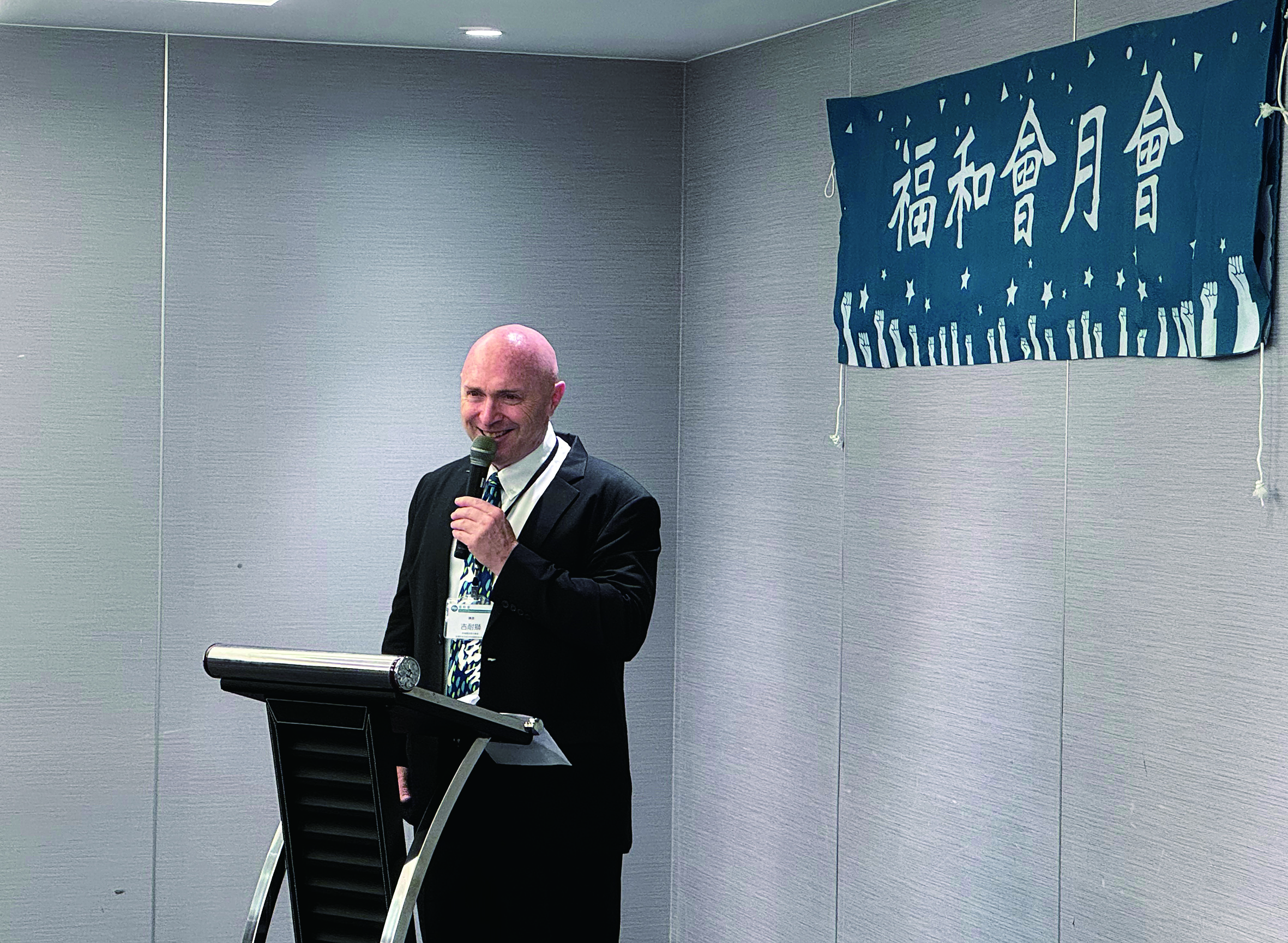
▲福和會員來賓用心聆聽吉耐獅將軍智庫強調:「威懾選項」
11.保證(Assurance)
。定義:嚇阻不可或缺的一體兩面。必須向對手提供可信的承諾,確保只要他們克制不採取被禁止的侵略行動,他們的安全與利益就不會受到懲罰或侵害。如果缺乏保證,對手會認為無論如何都會受懲,從而鋌而走險發動預防性攻擊。 台灣應用:「雙重保證」機制。台海的和平賴於一套同時針對兩個不同對象的精密保證:
‧對華盛頓的保證:台北方面向美國保證將作為負責任且可預測的利益相關者,堅持憲政現狀,絕不片面、激進地將美國捲入一場非必要的戰爭。
對北京的保證:台北(透過中華民國憲法架構)與華盛頓(透過「一個中國政策」)共同向北京保證「維持現狀」並不會顛覆中國的核心安全底線。如賴清德總統於就職演說中所強調的:「不卑不亢、維持現狀」,這項政策向中國領導階層提供了實質保證,使其確信只要不發動武力侵略,台灣就不會片面追求法理獨立,其中核心政治底線便不會遭到實質顛覆。
Deterrence Theories and Applications in
the Taiwan Strait: A Strategic Guide
Deterrence is the practice of discouraging an adversary from initiating an undesirable action or aggression by ensuring that the perceived costs and risks of the behavior far outweigh any potential benefits. In the context of the Taiwan Strait, maintaining stability relies on a complex, multi-layered matrix of interconnected deterrence frameworks.
1. Deterrence by Denial
‧Definition: A strategy that aims to convince an adversary that their military or operational goals are physically unachievable. It focuses on hardening defensive systems, enhancing resilience, and reducing the attacker's probability of success.
‧Taiwan Application: The "Porcupine Strategy." Taiwan focuses its defense budget on purchasing and manufacturing vast numbers of cheap, mobile, highly survivable asymmetric weapons—such as smart sea
mines, coastal anti-ship missiles (Hsiung Feng IIl), and man-portable air defense systems (MANPADS) to make a Chinese amphibious landing logistically unfeasible.
2. Deterrence by Punishment
‧Definition: A strategy that discourages aggression by threatening to inflict massive, unacceptable retaliatory costs on the attacker if they act, ensuring the price of the action far outweighs any initial gains.
‧Taiwan Application: International Economic and Kinetic Sanctions. Anchored by the United States and its G7 allies, this involves credible threats of total global financial isolation, comprehensive trade embargoes, and potential deep kinetic counter-strikes by allied forces against high-value military assets along China's coastline.
3. General Deterrence
• Definition: A long-term, continuous state of peace between rivals during a non-crisis period. It is maintained because existing, routine military capabilities and standing political alliances constantly regulate behavior. Taiwan Application: Routine Security Patrols. The daily combat readiness patrols conducted by the Republic of China (ROC) armed forces, coupled with routine U.S. Navy and allied freedom of navigation transits through the Taiwan Strait, maintain a baseline of structural stability.
4. Immediate Deterrence
‧Definition: Active, high-urgency measures implemented during an acute, short-term crisis to halt an imminent attack when an adversary is actively considering the use of force.
‧Taiwan Application: The 1996 Carrier Deployments. During the Third Taiwan Strait Cr
6. Extended Deterrence
‧Definition: A commitment by a third-party superpower to protect a weaker ally or partner, extending its own security umbrella (conventional or nuclear) to shield them from aggression.
‧Taiwan Application: The Taiwan Relations Act (TRA). Codified under U.S. Public Law 96-8, the TRA mandates that the United States will provide Taiwan with defensive arms and maintain the capacity of the U.S. to resist any resort to force that would jeopardize the security of the people on Taiwan.
7. Cross-Domain Deterrence
‧Definition: Utilizing capabilities or launching retaliatory threats in one domain (e.g., cyber, space, economic, cognitive) to deter an adversary from launching a physical or military attack in a completely different domain (e.g., maritime, air, land).
Taiwan Application: The 2022 Crisis Response. In response to physical military blockades simulated by the PLA following Nancy Pelosi's 2022 visit, Taiwan and its partners countered cross-domain by enacting
sweeping defensive cyber operations against state-sponsored disinformation and preparing coordinated global diplomatic and trade boycotts.
8. Deterrence by Entanglement
‧Definition: Creating deep economic, technological, or political interdependencies between nations that ensure any military attack causes massive, inescapable, self-inflicted damage to the attacker's own vital interests.
‧Taiwan Application: The "Silicon Shield." Taiwan maintains a global monopoly on the manufacturing of advanced semiconductor microchips via TSMC. Because China's domestic tech sector, the U.S. economy, and global markets are all dependent on this single ecosystem, a war would freeze global tech supply chains, guaranteeing instant domestic economic ruin for Beijing.
9. Tailored Deterrence
‧Definition: Customizing a deterrence strategy to match the unique political, cultural, and psychological vulnerabilities of a specific adversary's leadership group, rather than relying on a generic "one-size-fits-all" rational actor model.
‧Taiwan Application: Regime Survival Signaling. U.S. and Taiwanese intelligence-sharing frameworks specifically tailor deterrent signals to target the Chinese Communist Party (CCP) leadership's highest vulnerability: internal regime survival and domestic political control, demonstrating that a failed cross-strait war would dismantle the Party's domestic legitimacy.
10. Focused Deterrence
‧Definition: Concentrating high-intensity pressure and precise punitive measures on a narrow, highly specific set of illicit behaviors or actors rather than declaring a broad, blanket economic or military confrontation against an entire state.
‧Taiwan Application: Targeted Sanctions. Imposing strict global asset freezes, visa bans, and trade restrictions directly on specific Chinese state-owned defense corporations or individual front-line military commanders involved in illegal gray-zone maritime harassment, rather than declaring a blanket economic embargo.
11. Assurance
(The Essential Twin of Deterrence)
‧Definition: Credibly promising an adversary that if they refrain from the restricted action, they will not be punished anyway. Without assurance, deterrence fails because the adversary feels a penalty is inevitable, driving them to launch a preemptive strike.
‧Taiwan Application: The Dual Assurance Framework. Effective cross-strait stability relies on two simultaneous lines of assurance:
‧To Washington: Taipei assures the U.S. it will act as a predictable stakeholder and maintain the constitutional status quo, guaranteeing Taiwan will not recklessly drag the U.S. into an unprovoked war.
To Beijing: Taiwan (via its constitution) and the U.S. (via its "One China Policy") assure China that "maintaining the status quo" preserves its core interests. As anchored by President Lai Ching-te's inaugural declaration to "neither yield nor provoke, and maintain the status quo," Beijing is assured that refraining from invasion will not result in a permanent political loss of the island.
責任編輯:Adam Du